Category: Business Music Licensing
-

Business Music Streaming: What Commercial Streaming Actually Means for Venues
Business music streaming is a commercial stream built for a venue. It is not a personal playlist on the house speakers. If you are comparing “streaming music for business” or “music services for business,” you are usually deciding three things at once: whether the catalog is cleared for the room, how it plays on a…
-

Got an ASCAP or BMI Demand Letter? What to Do Next
A BMI demand letter or ASCAP demand letter is usually a licensing demand backed by a file — investigator notes, calls, songs listed. It is not the same thing as a judgment. Ottobar in Baltimore is what the file looks like after years of outreach and a karaoke night the venue thought was already covered.…
-

Music Solutions for Restaurants
Practical music solutions for restaurants: commercially cleared streaming subscriptions and downloadable music packs for the sound system you already have.
-

Multi-Location Music Licensing: One License Per Door (Not One Spotify)
Running music at multiple business locations? Learn why consumer streaming and FM radio create compliance risk—and how fully cleared commercial music with simple site licenses keeps costs predictable.
-

Commercial Background Music Cost: PRO Fees vs $14.95 Streaming
Business owners usually underestimate music costs until an ASCAP or BMI demand letter arrives or a manager asks why the “free playlist” keeps breaking. Budget commercial background music in two buckets: rights and compliance, and delivery plus equipment. This article compares PRO-oriented risk and fees at a high level with flat commercial subscriptions and one-time…
-
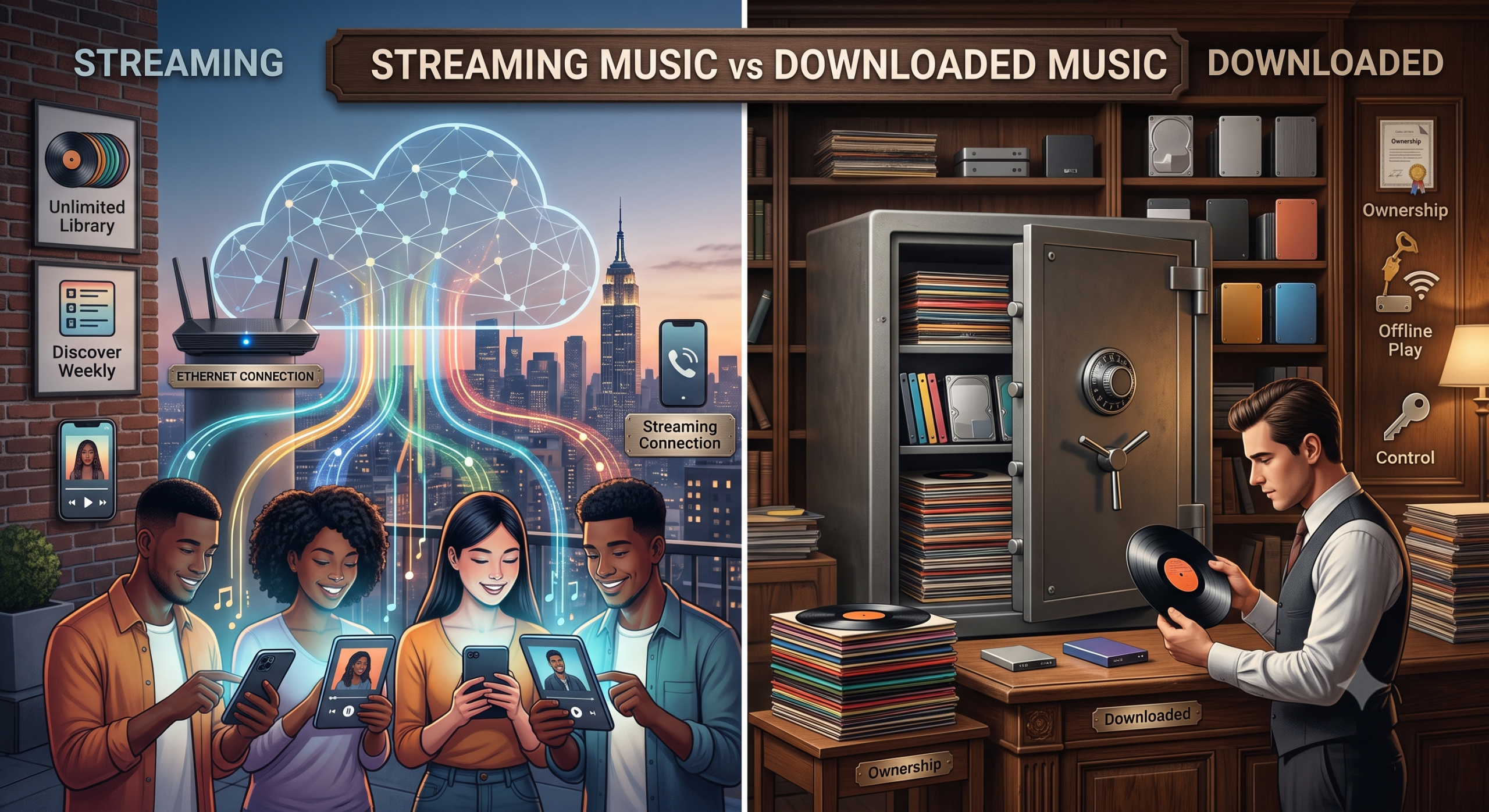
Streaming vs Music Packs for Business: Wi-Fi Up → Stream; Wi-Fi Weak → Pack
Venues usually choose between continuous commercial streaming and downloadable Music Packs for an in-house player, both of which offer music solutions for restaurants. Both can be appropriate when licensed for business; the better fit depends on your internet reliability, existing AV stack, staffing model, and whether you want set-and-forget stations or local file control. This…
-
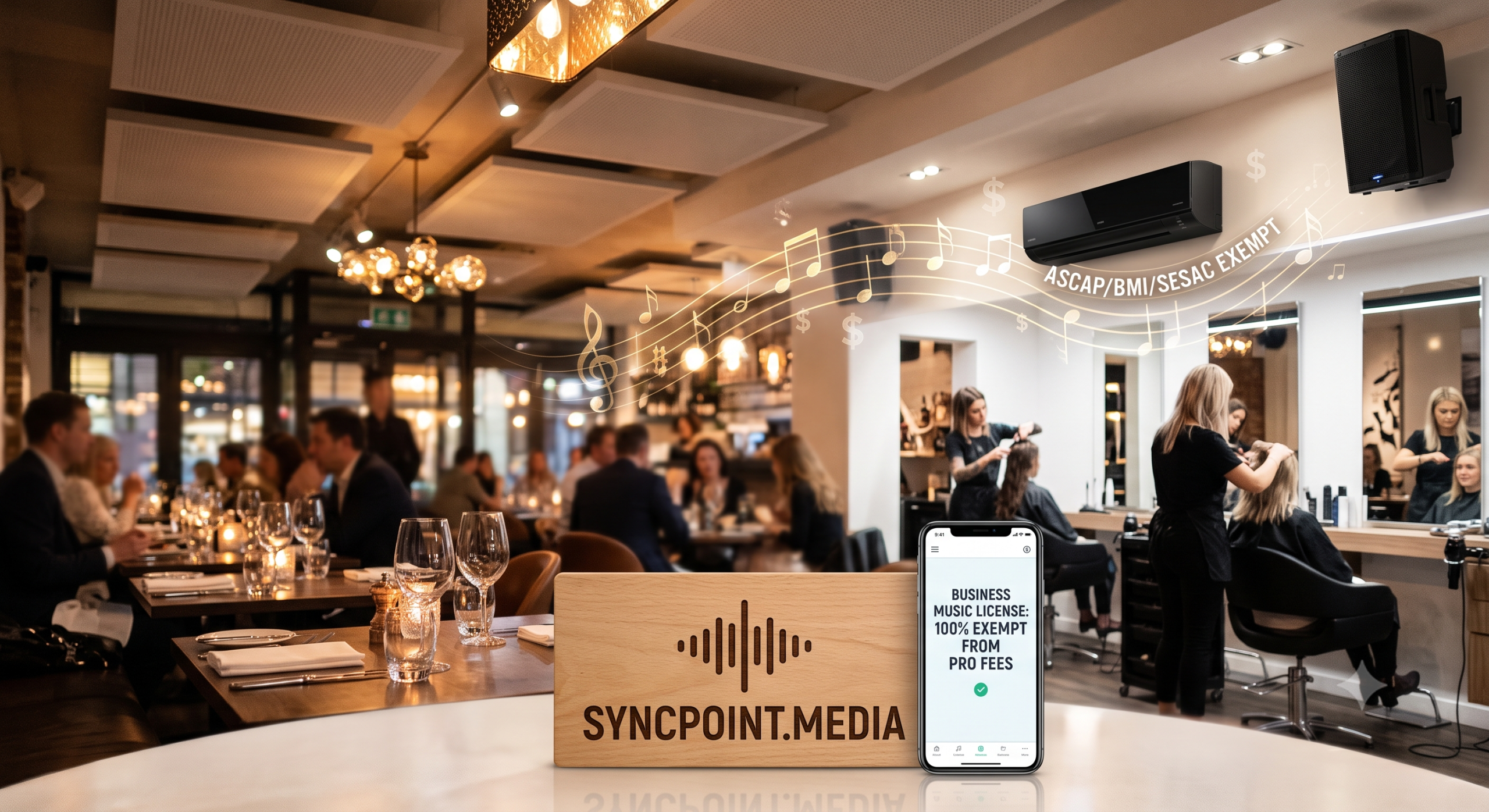
Retail Store Music Licensing: Legal Playlists to Avoid Fines
Retail store music licensing should reinforce brand energy: bright for fashion, calm for wellness, upbeat for convenience, warm for boutique browsing. The goal is a soundtrack that feels intentional for shoppers — without putting a personal streaming account on the shop floor speakers. Retail Store Playlist guide shares playlist mood ideas, pacing tips by daypart,…
-
Church Sound System Music: Cleared Worship Ambient Without Copyright Surprises
Churches use music across worship, hospitality, and weekday ministry: prelude beds, lobby welcome, café corners, bookstore spaces, offices, and event setup. Teams often press play on a personal phone because it is familiar — yet that habit can create the same commercial/public-performance problems other venues face when personal streaming accounts become the house sound. This…
-

Business Background Music Setup: Speakers, Amp, Streaming Player (DIY Guide)
A great restaurant soundtrack or business background music needs two ingredients: reliable sound equipment and a legally cleared music source. Many owners invest in speakers first and only later discover that a personal streaming app on a phone is the weak link — both operationally and legally. This DIY-oriented guide walks through coverage planning, core…
-
ASCAP, BMI & SESAC Explained: Do You Still Need Them With a Commercial Music Service?
ASCAP, BMI, and SESAC are performing rights organizations (PROs). They represent songwriters, composers, and publishers, and they license the public performance of musical works in their repertoires. For restaurants, retail stores, offices, hotels, and many church public spaces, PRO licensing is part of the broader conversation about playing recorded music where people gather. Owners often…